
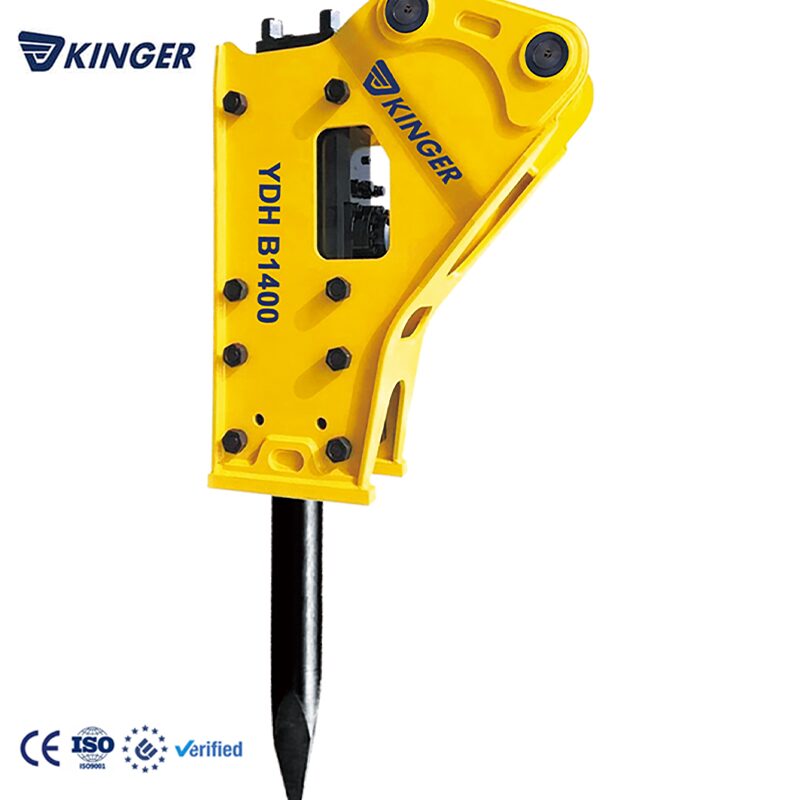
This industrial construction machinery wholesale guide is designed for global B2B buyers, importers, project contractors,
and procurement managers who need reliable, expert-verified manufacturers and suppliers.
All information is generic and industry-wide, suitable for use as a blog article, directory page,
or category landing page focusing on construction equipment sourcing.
Industrial construction machinery refers to heavy-duty equipment, machines, and powered tools used to perform
construction, excavation, lifting, concrete works, road building, and material handling on large projects.
Typical users include general contractors, civil engineering firms, mining companies, infrastructure developers,
and large-scale industrial plants.
In the wholesale market, industrial construction machinery manufacturers supply machines in bulk quantities to
distributors, rental companies, OEM/ODM brands, and international trading companies. Expert-verified suppliers
are those that meet recognized quality, safety, documentation, and compliance standards, making them suitable
partners for long-term B2B cooperation.
Understanding the main categories of construction machinery helps buyers build a clear sourcing strategy
and organize supplier directories logically. The following table summarizes key equipment families
in the industrial construction machinery sector.
| Category | Typical Machines | Primary Applications | Key Buying Considerations |
|---|---|---|---|
| Earthmoving Machinery | Excavators, wheel loaders, bulldozers, backhoe loaders, skid steer loaders | Excavation, trenching, grading, site preparation, mining, landscaping | Operating weight, engine power, bucket capacity, undercarriage type, fuel efficiency |
| Concrete & Masonry Machinery | Concrete mixers, batching plants, concrete pumps, transit mixers, shotcrete machines | Concrete mixing, transport, placing, spraying; structural and civil works | Capacity, mixing homogeneity, pumping pressure, control system, automation level |
| Road Construction Machinery | Asphalt pavers, road rollers, motor graders, cold planers, road milling machines | Highway construction, road repair, pavement compaction, surface leveling | Drum width, compaction force, paving width, grade control systems |
| Material Handling Machinery | Forklifts, telehandlers, cranes, tower cranes, gantry cranes | Material lifting, warehousing, site logistics, precast handling | Lifting capacity, lifting height, stability, safety systems, maneuverability |
| Drilling & Piling Machinery | Pile drivers, rotary drilling rigs, DTH drilling rigs, foundation equipment | Deep foundation works, piling, ground improvement, anchoring | Max drilling depth, torque, pile diameter, soil compatibility |
| Compaction Machinery | Vibratory rollers, plate compactors, tamping rammers, pneumatic rollers | Soil compaction, asphalt compaction, landfill compaction | Centrifugal force, amplitude, frequency, drum/plate size |
| Mining & Quarrying Machinery | Large excavators, articulated dump trucks, crushers, screens, loaders | Open-pit mining, quarry operations, aggregate production | Durability, capacity, wear resistance, compatibility with mining conditions |
| Light Construction Equipment | Power trowels, concrete vibrators, compactors, cutters, small generators | Finishing works, small projects, interior works, repair and maintenance | Portability, power source, reliability, ease of maintenance |
The construction machinery supply chain involves multiple types of organizations, each with specific functions.
Clear definitions help buyers identify the right type of partner when searching for expert-verified suppliers.
| Term | Industry Definition | Role in Wholesale Construction Machinery Market |
|---|---|---|
| OEM Manufacturer | Original Equipment Manufacturer that designs, engineers, and produces machinery under its own or clients’ brands. | Core producer of industrial construction machinery, able to provide custom engineering and branding. |
| ODM Manufacturer | Original Design Manufacturer that provides ready-made designs and products which other brands can relabel. | Ideal for buyers who want rapid market entry with existing machine platforms. |
| Wholesale Supplier | Company that purchases machinery in bulk from manufacturers and resells to dealers, rental firms, or end users. | Provides consolidated sourcing, inventory, and logistics across multiple brands and categories. |
| Distributor | Authorized regional or national seller representing specific manufacturers in designated territories. | Offers local after-sales service, spare parts, and training in a certain market. |
| Trading Company | Intermediary that sources machines from various factories and supplies them to international buyers. | Useful for mixed container loading, small orders, and multi-category procurement. |
| Rental Fleet Operator | Company that owns large fleets of machines and rents them to contractors. | Acts as a wholesale buyer; may also resell used equipment in bulk. |
| Expert-Verified Supplier | Manufacturer or supplier that has been assessed and validated by industry experts against set criteria. | Provides higher confidence regarding quality, compliance, and operational capabilities. |
Partnering with expert-verified industrial construction machinery manufacturers and wholesale suppliers provides
measurable benefits in quality, cost, and long-term project performance.
When evaluating wholesale offers from construction machinery manufacturers and suppliers, buyers should compare
standardized technical parameters. The following table summarizes common core specifications used in
professional tendering and technical evaluation.
| Specification Group | Key Parameters | Typical Units | Relevance in Procurement |
|---|---|---|---|
| Power & Performance | Engine power, rated torque, operating cycle time, hydraulic pressure | kW / HP, Nm, seconds, bar / MPa | Determines productivity, digging force, lifting capacity, and fuel efficiency. |
| Capacity & Size | Operating weight, bucket volume, drum width, lifting capacity, payload | kg / t, m³, mm, t | Indicates machine suitability for job size, material volume, and site constraints. |
| Dimensions | Overall length, width, height, turning radius, ground clearance | mm / m | Impacts transport logistics and maneuverability on confined construction sites. |
| Drive & Mobility | Drive type, track or tire size, travel speed, gradeability | 4x2, 4x4, km/h, % | Affects site accessibility, slope performance, and travel time between work areas. |
| Hydraulic System | Hydraulic flow, pressure, pump type, number of auxiliary circuits | L/min, bar, type | Critical for attachment performance and smooth control of movements. |
| Powertrain & Emissions | Engine model, emissions standard (e.g., Stage V, Tier 4 Final), fuel type | Model code, standard code | Ensures compliance with local environmental regulations and fuel availability. |
| Safety & Ergonomics | Cabin type, visibility, safety certifications, operator comfort features | ROPS/FOPS rating, decibel levels, HVAC type | Supports operator productivity and compliance with occupational safety rules. |
| Control & Telematics | Control system type, telematics availability, GPS, remote diagnostics | - | Enables fleet management, productivity tracking, and predictive maintenance. |
The following generic specification tables illustrate how industrial construction machinery is usually
presented by expert-verified wholesale manufacturers and suppliers. Values are indicative and used
only for structural reference in technical comparisons.
| Parameter | Typical Range | Notes for Buyers |
|---|---|---|
| Operating Weight | 20 – 25 t | Select weight based on digging depth, material density, and transport rules. |
| Engine Power | 120 – 150 kW | Higher power improves productivity but increases fuel consumption. |
| Bucket Capacity | 0.8 – 1.3 m³ | Match bucket size to typical materials (soil, rock, aggregates). |
| Max Digging Depth | 5.5 – 7.0 m | Ensure capacity for foundations, trenches, and utility works. |
| Max Reach at Ground Level | 8.5 – 10.0 m | Critical for loading trucks and working on slopes. |
| Hydraulic System Pressure | 30 – 35 MPa | Higher pressure supports robust performance and heavy attachments. |
| Travel Speed | 3 – 5 km/h | Important for moving between working positions on large sites. |
| Emissions Standard | Tier 3 / Tier 4 / Stage V | Verify compatibility with the destination country’s regulations. |
| Parameter | Typical Range | Notes for Buyers |
|---|---|---|
| Operating Weight | 10 – 18 t | Select according to loading tasks in quarries, batching plants, or logistics yards. |
| Bucket Capacity | 1.7 – 3.0 m³ | Choose higher volumes for low-density material, smaller for heavy rock. |
| Engine Power | 100 – 150 kW | Impacts acceleration, breakout force, and cycle times. |
| Dump Height | 2.7 – 3.5 m | Ensure compatibility with typical truck body heights or hopper inlets. |
| Breakout Force | 100 – 160 kN | Determines capability to penetrate piles of compacted material. |
| Transmission Type | Powershift / Hydrostatic | Different characteristics for fuel efficiency and operator comfort. |
| Axle Configuration | 4x4 | Standard for most industrial wheel loaders. |
| Parameter | Typical Range | Notes for Buyers |
|---|---|---|
| Rated Output Capacity | 30 – 180 m³/h | Size selection based on project volume and peak demand. |
| Mixer Type | Twin-shaft / Planetary / Drum | Twin-shaft suits high-strength concrete and continuous operation. |
| Cement Silo Capacity | 50 – 200 t | Multiple silos recommended for different cement or admixtures. |
| Aggregate Bins | 3 – 4 or more | Number of bins defines flexibility for aggregate gradations. |
| Control System | Semi-automatic / Fully automatic | Impacts mix consistency, record keeping, and manpower needs. |
| Installation Type | Stationary / Mobile | Mobile plants suit short projects and frequent relocation. |
Expert verification is a structured evaluation process used to assess industrial construction machinery
manufacturers and wholesale suppliers. While each platform or audit body may use different methods,
common criteria include the following:
| Verification Area | Typical Evaluation Points | Why It Matters |
|---|---|---|
| Legal and Corporate Status | Business registration, export license, tax certificates, ownership structure | Prevents fraud, confirms the supplier’s legal ability to trade internationally. |
| Production Facilities | Factory area, production lines, assembly capacity, machinery and tooling | Indicates whether the supplier can handle bulk orders and large machinery. |
| Quality Management | ISO standards, inspection procedures, test equipment, final acceptance tests | Ensures consistent product quality and traceability. |
| R&D and Engineering | Engineering staff, CAD/CAE tools, prototyping, product development cycles | Shows ability to innovate and customize industrial construction machinery. |
| Certification and Compliance | CE, ISO, local certifications, emissions approvals, safety testing reports | Confirms machines meet regulatory standards in target markets. |
| Supply Chain and Components | Key component brands, sourcing strategy, supplier quality control | Reliable components extend machine life and reduce downtime. |
| After-Sales Service | Spare parts stock, technical support, training programs, documentation | Essential for lifecycle support and predictable maintenance. |
| Export Experience | Export volume, target regions, shipping documentation, Incoterms familiarity | Reduces logistics errors and customs-related delays. |
| Financial Stability | Credit reports, bank references, payment history | Helps mitigate the risk of production interruption or contract issues. |
| Customer References | Previous project cases, reference letters, repeat orders | Provides real-world evidence of reliability and machine performance. |
An effective sourcing strategy for industrial construction machinery wholesale procurement should align
technical requirements, budget, delivery timelines, and after-sales expectations.
Expert-verified industrial construction machinery manufacturers implement structured quality control (QC) systems
throughout the product lifecycle. Understanding typical QC practices helps buyers ask the right questions
and review relevant documentation.
Compliance with international and regional standards is a core element of expert verification for
industrial construction machinery manufacturers and suppliers.
| Standard / Certification | Scope | Relevance for Buyers |
|---|---|---|
| ISO 9001 | Quality management systems | Indicates structured management of quality processes and continuous improvement. |
| ISO 14001 | Environmental management | Shows environmental responsibility during manufacturing, often requested in tenders. |
| ISO 45001 / OHSAS 18001 | Occupational health and safety | Relevant for safe factory operations and risk management. |
| CE Marking | European conformity for safety, health, and environmental protection | Mandatory for machinery imported into the European Economic Area. |
| Emissions Standards (e.g., EU Stage V, US EPA Tier 4) | Engine emissions limits for non-road mobile machinery | Crucial for compliance with local environmental regulations. |
| ROPS/FOPS Certification | Rollover and falling object protective structures | Important for operator protection in heavy equipment cabs. |
| Local Safety Regulations | Regional machinery directives, safety codes, and occupational laws | Suppliers should demonstrate knowledge of and adherence to local rules. |
Industrial construction machinery is large, heavy, and often shipped internationally.
Professional wholesale manufacturers and suppliers have standardized logistics processes.
Industrial construction machinery purchases are high-value investments. It is therefore essential
to manage technical, commercial, and operational risks when working with wholesale manufacturers and suppliers.
For online platforms targeting industrial construction machinery buyers, a clear page structure improves
usability and search engine visibility. The following elements are commonly used on SEO-friendly
category pages and supplier guides.
| Section | Purpose | Recommended Content |
|---|---|---|
| Introduction | Explain the scope of the category page or guide. | Definition of industrial construction machinery, target users, and benefits of expert-verified suppliers. |
| Category Overview | Help buyers navigate machinery types. | List primary categories such as earthmoving, road construction, concrete, and material handling. |
| Specification Tables | Support comparison and technical due diligence. | Provide key parameters, ranges, and evaluation notes for each machinery type. |
| Verification and Certification | Demonstrate quality and compliance standards. | Describe expert-verification criteria and common industry certifications. |
| Sourcing and Buying Guide | Educate buyers on best practices. | Offer step-by-step advice on RFQs, comparisons, and contract terms. |
| FAQ Section | Answer typical buyer questions. | Cover delivery times, customization options, warranty, and service scope. |
| Contact or Inquiry Form | Facilitate buyer-supplier interaction. | Allow users to submit project details and request expert-verified supplier recommendations. |
A manufacturer designs and builds machines, while a distributor focuses on regional sales, service, and local stock.
Many B2B buyers work directly with manufacturers for large wholesale orders and use distributors for localized support.
Expert-verified suppliers have been evaluated against objective criteria such as production capacity, quality systems,
certifications, and after-sales capabilities. This verification reduces risk, shortens due diligence time,
and improves the success rate of large machinery investments.
Use standardized technical specification tables, clarify warranty and service terms, and evaluate lifecycle costs
instead of only the purchase price. Check compliance with emissions and safety standards required in your market.
An effective RFQ should include detailed machine specifications, quantity, required standards, destination port,
preferred Incoterms, delivery schedule, documentation requirements, and after-sales service expectations.
Providing clear RFQs allows expert-verified suppliers to prepare accurate proposals.
After-sales service is critical because industrial construction machinery operates under heavy loads and harsh conditions.
Timely maintenance, spare parts availability, and technical support directly affect machine uptime,
project schedules, and total cost of ownership.
Industrial construction machinery plays a central role in modern infrastructure, industrial, and commercial projects.
Wholesale buyers, importers, and project owners can significantly reduce risk and improve project outcomes
by working with expert-verified manufacturers and suppliers.
By understanding the main machinery categories, key technical specifications, verification criteria,
and sourcing best practices described in this guide, buyers can build robust construction equipment fleets,
optimize lifecycle costs, and maintain high safety and performance standards across multiple projects and regions.
```
Este sitio web utiliza cookies para garantizar que obtenga la mejor experiencia en nuestro sitio web.


 English
 Portugues
 Français
 Italiano
 Nederlands
 Polski
 Română
 lietuvių
 Hrvatski



 Whatsapp
 Teléfono
Comentario
(0)